


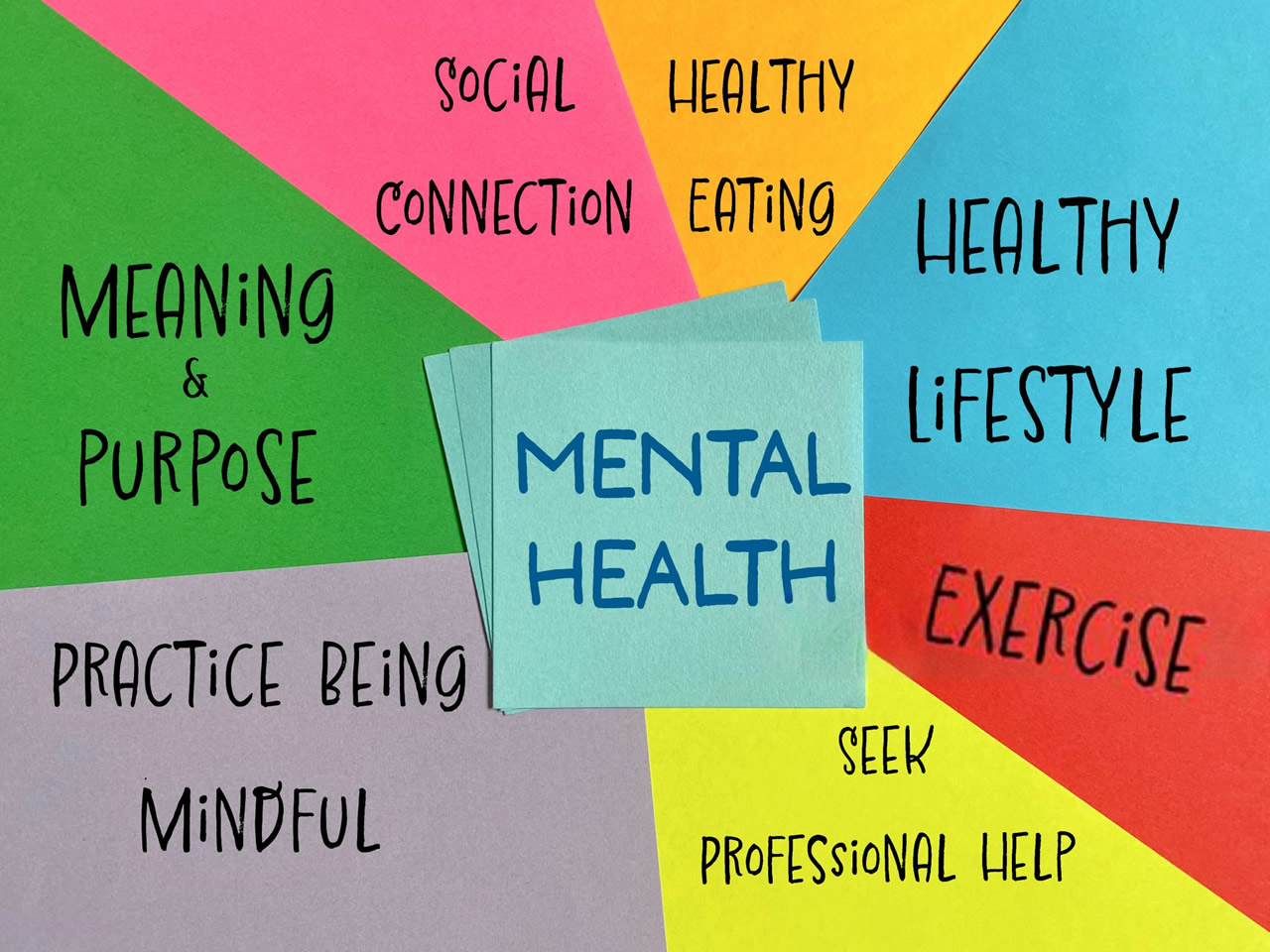
Did you know that nearly 1 in 5 adults in the United States lives with a mental illness? (Source: NIMH) That’s over 50 million people – our friends, neighbors, co-workers, and maybe even ourselves. Yet, for years, mental health was shrouded in silence and stigma.
So, what’s changed, and why is mental health awareness more crucial than ever?
Raising awareness means opening up the conversation, busting stereotypes, and making room for support and healing. When we talk about mental health, we empower people to seek help, spark funding for research, and create communities where everyone can thrive – not just survive.
But here’s the kicker: the responsibility isn’t just for professionals or advocates. Every single one of us plays a part in this movement.
Recognizing the Signs: Spotting Mental Health Challenges
How do you know someone is struggling if they’re always wearing a smile?
Here’s the truth: mental health issues often hide in plain sight. People mask pain with humor, busyness, or withdrawing from social life.
Top question: What should you look for?
Common Signs of Mental Health Challenges
- Persistent sadness or irritability
- Withdrawal from friends, family, or activities
- Changes in sleep or appetite
- Trouble concentrating or making decisions
- Increased substance use
- Feeling hopeless or worthless
- Talking about death or self-harm
Of course, these symptoms vary, but they’re red flags that should never be ignored.
And for yourself? If you notice these signs in your own life, reach out for help – there’s courage in vulnerability.
Breaking the Stigma: Why Language and Attitudes Matter
Why are people often afraid to admit they’re struggling?
Stigma is a major roadblock. It’s the silent force that breeds shame, discourages treatment, and keeps doors closed on meaningful conversation.
“Just snap out of it.”
“It’s all in your head.”
Sound familiar?
Language like this can cut deeply. Changing how we talk about mental health is one of the fastest ways to build awareness and compassion.
Strategies for Breaking Stigma
- Use people-first language: say “person with depression” instead of “a depressive.”
- Avoid judgmental or minimizing phrases.
- Normalize conversations – mental health is part of overall health.
- Celebrate resilience and stories of recovery publicly.
According to the CDC, inclusive conversations lead to understanding and action, not silence and shame.

Making a Difference in Your Community
Think you need a psychology degree to make an impact? Think again.
Mental health awareness starts with small, daily actions.
Here are some simple ways you can drive change, whether at home, work, or in your local circle.
At Home
- Listen without judgment – sometimes, the greatest gift is to be present.
- Encourage open dialogue about feelings with kids and adults alike.
- Include mental well-being in family routines: practice gratitude, mindfulness, or short daily check-ins.
At Work
- Foster a culture where it’s safe to talk about stress and ask for support.
- Share mental health resources and helplines in emails, break rooms, or company portals.
- If you’re a leader, model vulnerability. Admit when you’re having a tough day – it gives others permission to do the same.
In Your Neighborhood
- Volunteer with local organizations or crisis lines.
- Organize fundraising walks or events for mental health nonprofits.
- Share educational posts on social media, or simply check in with neighbors more often.
Everyday advocacy sows seeds of hope and normalcy. Your effort matters.
Destigmatizing Seeking Help: Therapy, Medication, and More
Here’s a tough question: Why do people hesitate to seek professional support?
Fear. Misconceptions. Worry about what others will think.
Let’s debunk some myths:
| Myth | Reality |
|---|---|
| Only “crazy” people need help | Everyone needs support sometimes |
| Therapy is a sign of weakness | It shows strength and self-care |
| Medication means giving up | It can be part of healing |
| You have to be in crisis first | Prevention is powerful |
It’s time to see mental health treatment like you would care for a broken arm or high blood pressure – there’s no shame in pursuing wellness.
Leveraging Technology for Mental Health Awareness
In a digital world, information travels fast. Why not use it for good?
How Tech Is Paving the Way:
- Mental Health Apps: Tools like Calm, Headspace, BetterHelp, and Moodfit are at your fingertips 24/7.
- Crisis Text Lines: Get immediate support via text – help is just a message away.
- Online Therapy: Access licensed therapists from the comfort of home, reducing geographic and emotional barriers.
- Social Media Campaigns: Hashtags like #MentalHealthAwareness and #BreakTheStigma connect millions globally, sharing resources and personal stories.
Use your online presence intentionally – one retweet or post could be the lifeline someone needs.

Youth and Schools: Planting Seeds Early
Did you know half of all mental illnesses begin by age 14? Early intervention in schools is an absolute game changer.
Key Ways Schools and Parents Can Foster Awareness:
- Implement mental wellness programs and stress management workshops.
- Train teachers to spot early signs of distress.
- Encourage peer-led mental health support groups.
- Ensure school counselors are accessible and approachable.
- Equip parents with resources to reinforce these conversations at home.
Schools aren’t just academic spaces – they’re communities where seeds of resilience are sown for a lifetime.
Supporting Loved Ones Through Their Mental Health Journey
If someone you love is struggling, what’s the right thing to say?
There’s no perfect script, but listening and validating feelings go further than most realize.
Tips for Family and Friends
- Listen more than you speak.
- Avoid minimizing or “fixing” sentiments like “just cheer up.”
- Offer to help with tasks or appointments, but respect autonomy.
- Prioritize patience – it’s a journey, not a sprint.
- Remind them that seeking help is an act of strength, not defeat.
Remember: Your steady presence is powerful.
Self-Care and Prevention: Protecting Your Own Mental Health
Awareness begins within.
Are you regularly checking in with your own emotional well-being?
Quick Self-Care Practices
- Daily Gratitude Journal: List three things you’re grateful for each morning.
- Breathing Exercises: Slow, deep breaths signal your nervous system to relax.
- Establish Boundaries: Say no without guilt and carve out “me time.”
- Move Your Body: Even a 10-minute walk can boost your mood.
- Connect with Others: Social support is one of the biggest protective factors.
Being proactive about mental health is a sign of wisdom, not weakness.
The Role of Employers in Fostering Mental Health Awareness
Did you know cutting-edge companies now consider mental health as critical as physical safety?
Businesses that value employee well-being see fewer sick days, higher retention, and a more engaged workforce.
Steps Employers Can Take
- Offer comprehensive mental health insurance and employee assistance programs (EAPs).
- Train managers in mental health first aid.
- Schedule regular wellness check-ins and flexibility for mental days off.
- Promote work-life balance with well-defined boundaries.
When companies lead the way, they set a powerful example for society.
How Policy and Advocacy Shape Mental Health Awareness
Change at the societal level often begins with policy.
Activist voices, funding allocations, and legislative wins move the needle nationwide.
Recent Policy Moves
- Expansion of teletherapy and insurance parity
- Investment in early intervention programs for youth
- National hotlines for mental health (like the 988 Suicide & Crisis Lifeline)
- Funding for community-based prevention and crisis care
Consider joining advocacy groups or contacting your representatives. Every voice counts!
Frequently Asked Questions: Your Mental Health Awareness Queries Answered
Q: What are some top resources for mental health support in the US?
A: National Alliance on Mental Illness (NAMI), Mental Health America, 988 Suicide & Crisis Lifeline, Crisis Text Line, and local community health centers are great starting points.
Q: Is mental health awareness just for people with a diagnosis?
A: Not at all! Mental health affects everyone. Raising awareness benefits all, improves understanding, and strengthens communities.
Q: Can workplaces fire you for getting mental health support?
A: US laws like the ADA (Americans with Disabilities Act) protect employees from discrimination due to mental health conditions.
Q: How can I start the conversation with someone I’m concerned about?
A: Be open, gentle, and specific about what you’ve noticed. Say, “I’ve noticed you seem down lately, and I care. Want to talk about it?”
Conclusion: Together, We Can Change the Story
Mental health awareness isn’t a buzzword – it’s a lifeline. Every action, big or small, chips away at stigma and builds a future where no one has to suffer in silence.
If this article helped you gain clarity or courage, share your experience below. You never know who’s reading and how your story can spark hope.
References:
