



Do you find yourself lying awake at 2 AM, desperately trying to force sleep that won’t come? You’re not alone. Nearly 35% of American adults struggle with falling asleep quickly, and the harder they try, the more elusive sleep becomes. Here’s the surprising truth: the secret to falling asleep fast isn’t trying harder – it’s learning to stop fighting it entirely.
In this comprehensive guide, you’ll discover science-backed techniques to fall asleep naturally and quickly, without the frustration of tossing and turning. Whether you’ve struggled with sleep for years or just want to improve your bedtime routine, these proven strategies will transform your nights. Ready to finally get the rest you deserve? Let’s dive in.
Understanding Why You Can’t Fall Asleep Fast
Before learning how to fall asleep fast, you need to understand what’s keeping you awake. Your body operates on a complex biological clock called the circadian rhythm, which regulates sleep-wake cycles. Disruptions to this rhythm transform falling asleep into a frustrating battle.
Several factors sabotage your ability to fall asleep quickly. Stress activates your sympathetic nervous system, flooding your body with cortisol and adrenaline – the exact opposite of what you need for sleep. Blue light from screens suppresses melatonin production, the hormone that signals bedtime to your brain. Even your thoughts can become enemies when you lie in bed worrying about not sleeping.
The Sleep Anxiety Trap
The irony? Focusing intensely on falling asleep makes you more alert. This phenomenon, called “sleep performance anxiety,” creates a vicious cycle. When you concentrate on trying to sleep, your brain interprets this effort as a task requiring alertness, keeping you frustratingly awake.
Common sleep disruptors include:
- Racing thoughts and mental stress
- Uncomfortable sleep environment
- Irregular sleep schedule
- Caffeine or alcohol consumption
- Screen time before bed
- Physical discomfort or pain
Understanding these barriers empowers you to address them systematically. The goal isn’t to fight sleep – it’s to create conditions where sleep happens naturally.
The Paradox of Trying Too Hard to Sleep
Here’s something most people don’t realize: sleep isn’t something you do, it’s something you allow to happen. Active attempts to fall asleep engage your conscious mind, which keeps your brain in an alert state. It’s like trying to force yourself to relax – the effort itself creates tension.
Research shows that people with insomnia often exhibit “sleep effort” – they try harder to sleep than good sleepers do. This counterproductive approach activates the arousal system, making sleep impossible. Think about it: have you ever fallen asleep while genuinely trying? Probably not. Sleep arrives when you stop chasing it.
Embracing Paradoxical Intention
The solution lies in what sleep experts call “paradoxical intention.” Instead of trying to fall asleep, you accept wakefulness without judgment. Removing the pressure and anxiety helps your body’s natural sleep mechanisms finally take over. This approach transforms your relationship with sleep entirely.
| Sleep Approach | Mental State | Result |
|---|---|---|
| Trying to force sleep | Anxious, alert, frustrated | Prolonged wakefulness |
| Accepting wakefulness | Calm, relaxed, neutral | Natural sleep onset |
| Worrying about sleep | Stressed, hypervigilant | Insomnia cycle |
| Letting go of control | Peaceful, trusting | Quick sleep transition |
This shift in mindset might feel uncomfortable at first. You’ve probably spent years believing you need to “work” at falling asleep. But once you embrace this paradox, you’ll discover that sleep comes much more easily when you stop fighting it.
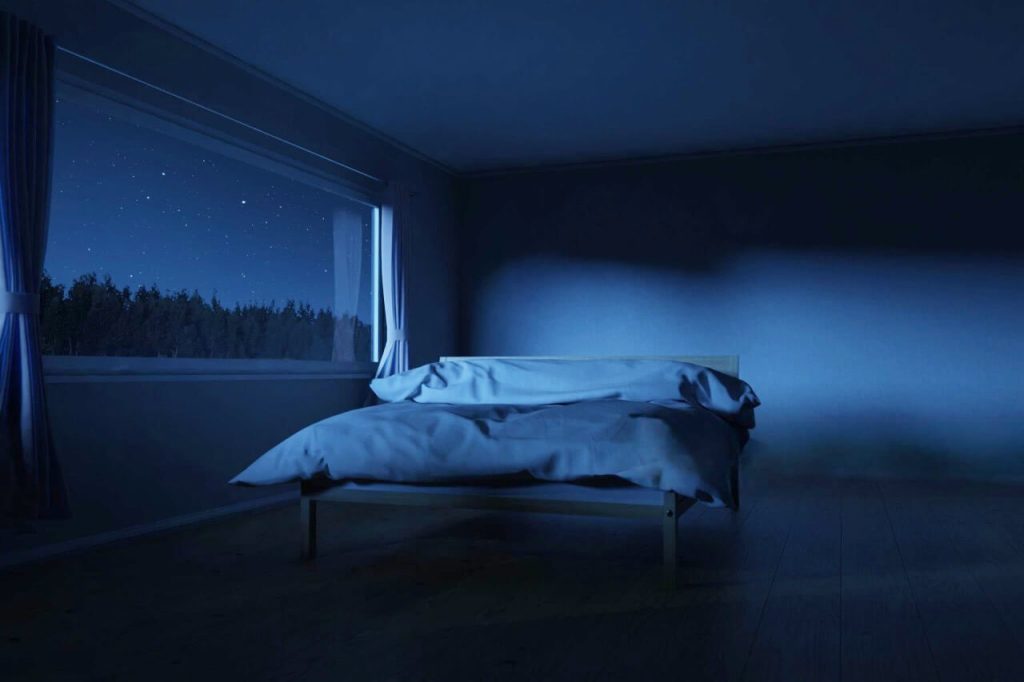
Create the Perfect Sleep Environment
Your bedroom environment plays a crucial role in how quickly you fall asleep. Specific signals help your brain recognize it’s time for rest. When these signals are present, falling asleep becomes effortless.
Optimizing Temperature and Darkness
Temperature matters more than you think. The ideal bedroom temperature for sleep ranges between 60-67°F (15-19°C). As your body prepares for sleep, its temperature naturally drops, and a cool room facilitates this process. Rooms that are too warm make your body struggle to initiate sleep.
Darkness is non-negotiable. Even small amounts of light can suppress melatonin production. Use blackout curtains or a sleep mask to create complete darkness. Cover or remove electronic devices with LED lights – that tiny glow from your phone charger could be disrupting your sleep.
Sound and Comfort Considerations
Sound control creates peace. While some people need complete silence, others sleep better with white noise or gentle sounds. Experiment to find what works for you. Consider using earplugs, a white noise machine, or a fan to mask disruptive sounds.
Your bed should be a sleep sanctuary. Invest in a comfortable mattress and pillows that support your preferred sleep position. Use breathable, comfortable bedding. Reserve your bed exclusively for sleep and intimacy – no work, no scrolling, no eating. Training your brain to associate your bed with sleep only makes falling asleep faster.
Remove sleep-disrupting elements:
- Electronic devices and screens
- Work materials or reminders
- Clutter that creates visual stress
- Bright or stimulating colors
- Uncomfortable furniture
When your environment supports sleep, your body receives clear signals that it’s time to rest. Environmental optimization is one of the fastest ways to improve how quickly you fall asleep.
The 4-7-8 Breathing Technique for Instant Relaxation
Want to know how to fall asleep fast using just your breath? The 4-7-8 breathing technique, developed by Dr. Andrew Weil, acts as a natural tranquilizer for your nervous system. This simple method can help you fall asleep in minutes.
How the Technique Works
Here’s the science behind it: This breathing pattern slows your heart rate, lowers blood pressure, and activates your parasympathetic nervous system – your body’s relaxation response. By focusing on counting and breathing, you also quiet racing thoughts that keep you awake.
Step-by-step instructions:
- Place the tip of your tongue against the ridge behind your upper front teeth
- Exhale completely through your mouth, making a whoosh sound
Close your mouth and inhale quietly through your nose for 4 counts
- Hold your breath for 7 counts
- Exhale completely through your mouth for 8 counts, making a whoosh sound
- Repeat this cycle 3-4 times
The first few attempts might feel awkward, but consistency is key. The ratio of 4-7-8 is more important than the speed. Start slowly and maintain consistency. Many people report feeling noticeably calmer after just one cycle.
Why This Method Is So Effective
The extended exhale activates your vagus nerve, which signals your body to relax. Holding your breath increases oxygen in your bloodstream, promoting a sense of calm. Counting gives your mind something to focus on besides worries or sleep anxiety.
Practice this technique twice daily – once in the afternoon and once before bed. With regular practice, you’ll train your body to relax on command, making it easier to fall asleep fast whenever you need to.
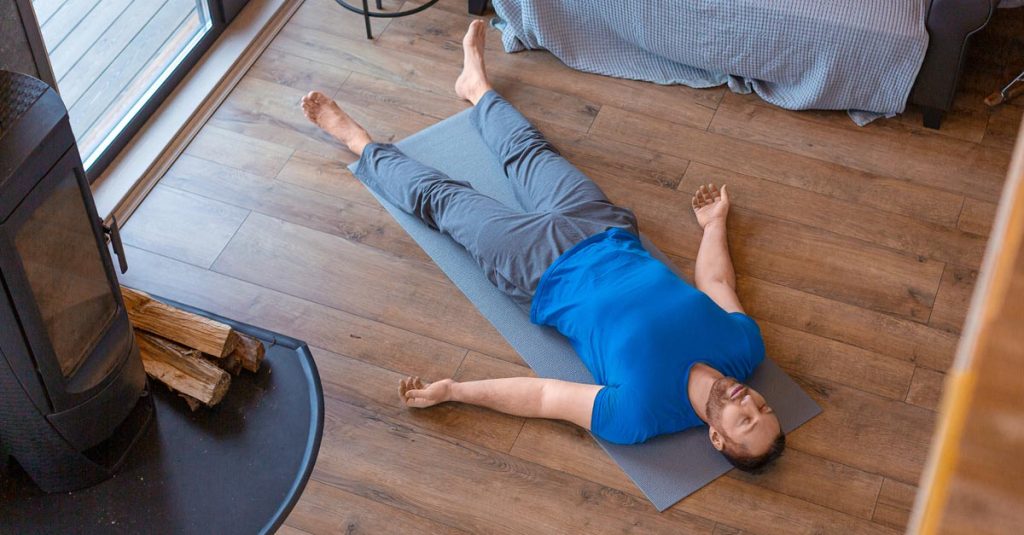
Progressive Muscle Relaxation: Release Physical Tension
Physical tension keeps many people awake, even when they’re mentally tired. Progressive muscle relaxation (PMR) systematically releases this tension, preparing your body for sleep. This technique is especially effective if you carry stress in your muscles or struggle with restlessness.
The Science Behind PMR
How it works: When you deliberately tense and release muscle groups, you become aware of the difference between tension and relaxation. Awareness helps you identify and release unconscious muscle tension that interferes with sleep. Studies show PMR can reduce the time it takes to fall asleep by up to 50%.
How to practice progressive muscle relaxation:
Start with your feet and work upward through your body. For each muscle group, tense the muscles for 5 seconds, then release for 10 seconds. Notice the sensation of relaxation as tension melts away.
Muscle Groups to Target
Work through each area systematically:
- Feet and toes: Curl your toes tightly, then release
- Calves: Point your toes toward your head, then relax
- Thighs: Squeeze your thigh muscles, then let go
- Buttocks: Clench tightly, then release
- Stomach: Pull your belly button toward your spine, then relax
- Chest: Take a deep breath and hold, then exhale slowly
- Arms and hands: Make fists and tense your arms, then release
- Shoulders: Raise your shoulders to your ears, then drop them
- Neck: Gently tilt your head back, then return to neutral
- Face: Scrunch all facial muscles, then relax completely
By the time you finish this sequence, your entire body should feel heavy and relaxed. If you’re still awake, repeat the process. Most people fall asleep before completing a second round.
Pro tip: Combine PMR with slow, deep breathing for even better results. As you release each muscle group, imagine tension flowing out of your body with each exhale.
Stop Clock-Watching and Reduce Sleep Anxiety
Nothing sabotages sleep faster than checking the time repeatedly. Every glance at the clock triggers a cascade of anxious thoughts: “I’ve only been asleep for two hours,” “I have to wake up in four hours,” “I’ll be exhausted tomorrow.” Clock-watching is one of the biggest obstacles to falling asleep fast.
Why Clock-Watching Destroys Sleep
Each time you check the time, you activate your brain’s alertness system. Calculating how much sleep you’re losing increases stress hormones. This stress makes falling asleep even harder, creating a self-fulfilling prophecy of sleeplessness.
The solution is simple but challenging: Turn your clock away from view. Put your phone in another room or at least face-down across the bedroom. Remove any visible time displays. Trust that your alarm will wake you when needed.
Managing Sleep Anxiety Effectively
Adopt a mindset shift: Instead of worrying about not sleeping, practice acceptance. Tell yourself, “It’s okay if I don’t fall asleep immediately. My body will rest even if I’m awake.” Removing the pressure keeps you from becoming more alert.
Cognitive techniques to reduce sleep anxiety:
- Challenge catastrophic thinking: “One bad night won’t ruin my life”
- Practice self-compassion: “Many people struggle with sleep sometimes”
- Focus on rest, not sleep: “Lying here quietly is still beneficial”
- Avoid mental math: “I don’t need to calculate my sleep hours”
If anxious thoughts persist, try the “worry dump” technique. Keep a notebook by your bed and write down any concerns that arise. Externalizing your worries frees your mind to relax.
Remember, the goal isn’t to eliminate all thoughts – that’s impossible. Observing thoughts without engaging with them allows them to pass like clouds in the sky.
The Power of a Consistent Sleep Schedule
Your body craves consistency. Going to bed and waking up at the same time every day strengthens your circadian rhythm, making it dramatically easier to fall asleep fast. This might be the single most effective long-term strategy for improving sleep.
How Sleep Schedules Work
Your body produces hormones on a predictable schedule. Melatonin rises in the evening, cortisol peaks in the morning. When you maintain consistent sleep times, these hormones synchronize perfectly, creating natural sleepiness at bedtime and alertness upon waking.
Irregular sleep schedules confuse your internal clock. Sleeping in on weekends, staying up late randomly, or taking long naps disrupts this delicate balance. Without consistency, your body never knows when to prepare for sleep, making it harder to fall asleep quickly.
| Sleep Pattern | Effect on Sleep Quality | Time to Fall Asleep |
|---|---|---|
| Consistent schedule (7 days/week) | Excellent | 10-15 minutes |
| Weekday consistency, weekend variation | Good | 20-30 minutes |
| Irregular schedule | Poor | 45+ minutes |
| Shift work or frequent changes | Very poor | 60+ minutes |
Building Your Ideal Sleep Schedule
Choose a wake time you can maintain every day, including weekends. Work backward 7-9 hours to determine your bedtime. Stick to these times religiously for at least two weeks – this is how long it takes to reset your circadian rhythm.
Yes, this means waking up at the same time on weekends. It might seem harsh, but the payoff is worth it. Falling asleep faster, sleeping more deeply, and waking feeling refreshed makes the sacrifice worthwhile. After a few weeks, you won’t need an alarm – your body will wake naturally.
If you must adjust your schedule, do it gradually. Shift your bedtime by 15 minutes every few days rather than making dramatic changes. Gentle adjustments prevent disrupting your circadian rhythm.

What to Do When You Can’t Fall Asleep After 20 Minutes
Sometimes, despite your best efforts, sleep doesn’t come. Lying in bed awake for extended periods actually trains your brain to associate your bed with wakefulness – the opposite of what you want. Sleep experts recommend a specific protocol for these situations.
The 20-Minute Rule Explained
If you haven’t fallen asleep after about 20 minutes (don’t check the clock – estimate), get out of bed. Preventing your brain from learning that your bed is a place for lying awake helps break the frustration cycle that makes sleep even more elusive.
What to do when you get up:
Move to another room with dim lighting. Engage in a quiet, relaxing activity that doesn’t involve screens. Creating mild boredom is the goal – just interesting enough to distract your mind, but not stimulating enough to wake you fully.
Activities That Help and Hinder
Ideal activities for middle-of-the-night wakefulness:
- Reading a physical book (nothing too exciting)
- Gentle stretching or yoga
- Listening to calm music or a meditation app
- Folding laundry or other mindless tasks
- Journaling about non-stressful topics
- Coloring or simple crafts
Avoid these sleep-disrupting activities:
- Checking email or social media
- Watching TV or videos
- Eating (this can create a habit)
- Bright lights or stimulating content
- Problem-solving or planning
- Anything that increases alertness
Return to bed only when you feel genuinely sleepy – heavy eyelids, yawning, difficulty focusing. This might take 20 minutes or an hour. Trust the process. You’re retraining your brain to associate your bed exclusively with sleep.
Some people worry this will make them more tired the next day. Actually, the opposite is true. Lying in bed frustrated and anxious is more exhausting than getting up and relaxing. Plus, you’re building better sleep habits for the long term.
Foods and Drinks That Help You Fall Asleep Fast
What you consume in the hours before bed significantly impacts how quickly you fall asleep. Certain foods and drinks promote sleep by providing nutrients that support melatonin production and relaxation. Others sabotage your sleep efforts, keeping you wired when you should be winding down.
Sleep-Promoting Nutrients
Sleep-promoting foods contain:
- Tryptophan: An amino acid that converts to serotonin and melatonin
- Magnesium: A mineral that relaxes muscles and calms the nervous system
- Calcium: Helps the brain use tryptophan to produce melatonin
- Complex carbohydrates: Increase tryptophan availability in the brain
Best foods for falling asleep fast:
- Almonds and walnuts (magnesium and melatonin)
- Turkey and chicken (tryptophan)
- Chamomile tea (apigenin, a calming compound)
- Tart cherry juice (natural melatonin)
- Bananas (magnesium, potassium, and tryptophan)
- Oatmeal (complex carbs and melatonin)
- Kiwi fruit (serotonin and antioxidants)
- Fatty fish like salmon (omega-3s and vitamin D)
Timing and What to Avoid
Timing matters as much as content. Eat your last large meal 3-4 hours before bed. For bedtime snacks, keep them light and choose from the sleep-promoting options above. A small bowl of oatmeal with banana or a handful of almonds works perfectly.
Sleep-disrupting substances to avoid:
Caffeine has a half-life of 5-6 hours, meaning half the caffeine from your afternoon coffee is still in your system at bedtime. Cut off caffeine consumption by 2 PM, or earlier if you’re sensitive. Remember that chocolate, tea, and some medications contain caffeine too.
Alcohol might make you drowsy initially, but it severely disrupts sleep quality. It prevents deep sleep and REM sleep, causing you to wake frequently during the night. If you drink alcohol, stop at least 3-4 hours before bed.
Heavy, spicy, or fatty foods can cause heartburn and discomfort, making it difficult to fall asleep. They also require significant digestive effort, which keeps your body active when it should be resting.
Hydration strategy: Drink plenty of water throughout the day, but taper off in the evening. Stop drinking fluids 1-2 hours before bed to minimize nighttime bathroom trips that disrupt sleep.
Technology and Blue Light: Managing Screen Time Before Bed
Your smartphone, tablet, and computer emit blue light that tricks your brain into thinking it’s daytime. This suppresses melatonin production, making it significantly harder to fall asleep fast. Managing screen time is non-negotiable if you’re serious about improving your sleep.
The Science of Blue Light and Sleep
Blue light has a wavelength that’s particularly effective at suppressing melatonin. Just two hours of screen time before bed can delay melatonin release by up to three hours, disrupting your natural sleep schedule and making it harder to fall asleep quickly.
Practical Tips to Minimize Blue Light Exposure
Use blue light filters or glasses: Many devices have built-in “night mode” or “blue light filter” settings that shift the screen to warmer tones. Enable these features automatically at sunset. Alternatively, invest in blue light blocking glasses to wear in the evening – they’re inexpensive and highly effective.
Set a digital curfew: Establish a firm rule to turn off all screens at least 1 hour before bedtime. Giving your brain time to start producing melatonin naturally helps tremendously. Use this hour for relaxing activities that prepare you for sleep.
Create a bedtime routine without screens: Replace scrolling with activities that genuinely relax you. Read a physical book, listen to calming music, practice gentle stretching, or have a conversation with your partner. These activities signal to your brain that it’s time to wind down.
Additional Environmental Adjustments
Adjust your environment: Dim indoor lighting as evening approaches. Use warm-toned bulbs (2700K or lower) in your bedroom and living spaces. Mimicking the natural progression from daylight to darkness supports your circadian rhythm.
If you must use devices: Keep screens at least 12 inches from your face, reduce brightness to the lowest comfortable level, and take frequent breaks. Consider using apps that gradually dim your screen as bedtime approaches.
The bedroom technology rule: Keep all electronic devices out of your bedroom entirely. Charge your phone in another room. Use a traditional alarm clock instead of your smartphone. Removing temptation creates a true sleep sanctuary.
Many people resist these changes, claiming they need their phone for emergencies or as an alarm. But honest self-reflection reveals that most nighttime phone use is habitual, not necessary. Breaking this habit might feel uncomfortable initially, but the improvement in sleep quality makes it worthwhile.
Meditation and Mindfulness for Faster Sleep
Racing thoughts are one of the most common barriers to falling asleep fast. Your mind replays the day’s events, worries about tomorrow, or jumps randomly from topic to topic. Meditation and mindfulness techniques quiet this mental chatter, allowing sleep to arrive naturally.
Understanding Mindfulness for Sleep
Mindfulness for sleep isn’t about emptying your mind – that’s impossible and frustrating to attempt. Instead, it’s about observing your thoughts without engaging with them. Acknowledging each thought, then gently returning your attention to your breath or body sensations, creates the perfect conditions for sleep.
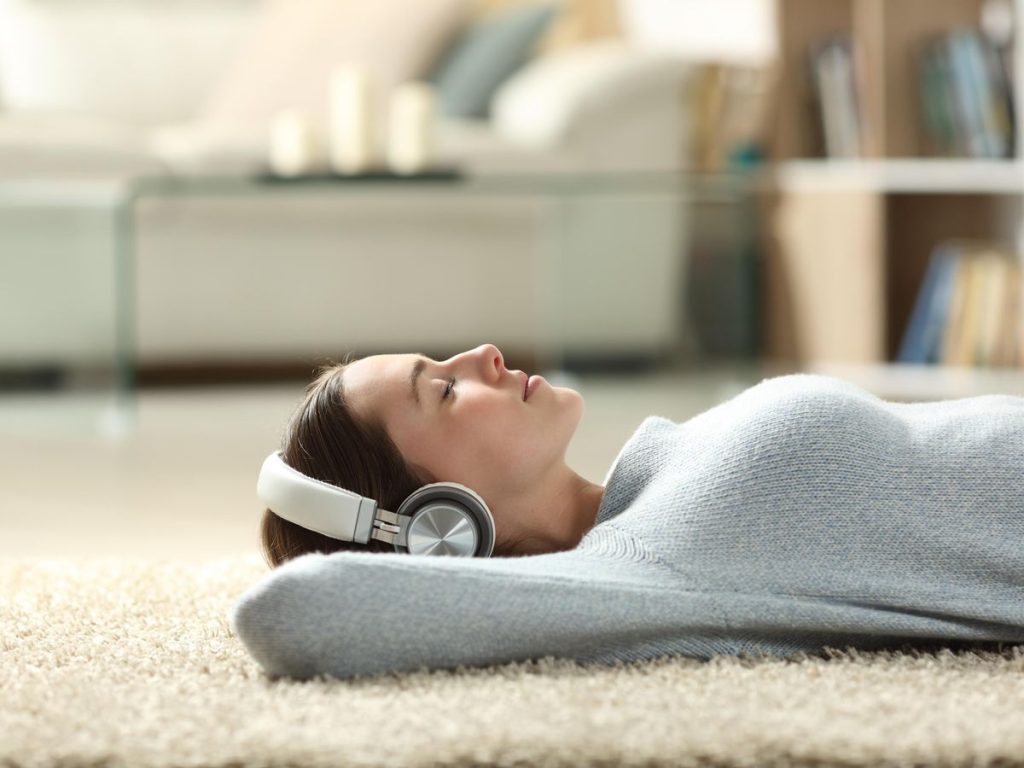
Body Scan Meditation for Sleep
This technique systematically moves your attention through your body, promoting deep relaxation. Lie comfortably in bed and bring awareness to each body part, starting with your toes.
Notice any sensations – warmth, coolness, tingling, pressure – without judgment. If you notice tension, simply observe it. Often, awareness alone causes tension to release. Slowly move your attention upward: feet, ankles, calves, knees, thighs, hips, abdomen, chest, fingers, hands, arms, shoulders, neck, face, and head.
Most people fall asleep before completing a full body scan. If you finish and you’re still awake, start again from your toes. The repetitive, gentle focus naturally induces sleep.
Other Effective Meditation Techniques
Guided sleep meditations: Apps like Calm, Headspace, or Insight Timer offer guided meditations specifically designed for sleep. A soothing voice leads you through relaxation techniques, often incorporating visualization or progressive muscle relaxation. These can be especially helpful when you’re learning meditation.
Visualization techniques that promote sleep:
Imagine a peaceful scene in vivid detail – a quiet beach, a forest path, a cozy cabin. Engage all your senses: What do you see? What sounds do you hear? What scents are present? What textures can you feel? Immersive visualization occupies your mind, preventing anxious thoughts while promoting relaxation.
The counting breath method: As you breathe naturally, count each exhale from 1 to 10, then start over. If your mind wanders (it will), gently return to counting without self-criticism. Simple techniques like this provide just enough mental focus to prevent rumination while being boring enough to allow sleep.
Consistency amplifies results. Practice meditation daily, not just when you can’t sleep. Regular practice trains your brain to enter relaxed states more easily. Even 10 minutes of daytime meditation improves nighttime sleep quality.
Exercise Timing and Its Impact on Sleep
Regular exercise is one of the most powerful tools for improving sleep quality and falling asleep faster. Physical activity reduces stress hormones, increases sleep-promoting chemicals, and tires your body in a healthy way. However, timing matters significantly.
How Exercise Improves Sleep
Physical activity increases adenosine levels in your brain – a chemical that promotes sleepiness. Exercise also reduces cortisol and anxiety, common sleep disruptors. Regular exercisers fall asleep faster, experience deeper sleep, and wake feeling more refreshed than sedentary individuals.
The Exercise Timing Debate
Traditional advice suggested avoiding exercise within 3-4 hours of bedtime, as it raises body temperature and alertness. However, recent research shows this varies by individual. Some people sleep better after evening exercise, while others find it disruptive.
| Exercise Timing | Benefits | Potential Drawbacks |
|---|---|---|
| Morning (6-9 AM) | Energizes your day, reinforces circadian rhythm | May be difficult for non-morning people |
| Afternoon (2-5 PM) | Optimal for performance, good sleep impact | Can interfere with work schedules |
| Evening (6-8 PM) | Convenient for many, relieves daily stress | May be too stimulating for some |
| Late night (after 9 PM) | Better than no exercise | Often disrupts sleep for most people |
Finding Your Optimal Exercise Window
Experiment with different times and track how you sleep. If evening workouts leave you energized at bedtime, shift to morning or afternoon sessions. Conversely, if evening exercise helps you unwind, continue it.
Exercise intensity matters too. Vigorous cardio or intense strength training close to bedtime can be overstimulating. For those who prefer evening workouts, consider gentler options like yoga, walking, or light stretching in the hours before bed.
The minimum effective dose: You don’t need marathon training sessions to improve sleep. Just 30 minutes of moderate activity most days significantly enhances sleep quality. Even a 10-minute walk is better than nothing.
Consistency trumps intensity. Regular, moderate exercise improves sleep more than occasional intense workouts. Build sustainable habits rather than pushing yourself to exhaustion.
When to Seek Professional Help
Sometimes, difficulty falling asleep signals a deeper issue that requires professional intervention. While the techniques in this article help most people, certain conditions need medical attention. Knowing when to seek help prevents prolonged suffering and potential health complications.
Signs You Should Consult a Sleep Specialist
If you’ve consistently struggled to fall asleep for more than three months despite trying multiple strategies, you may have chronic insomnia. This condition requires professional treatment, often combining cognitive behavioral therapy for insomnia (CBT-I) with other interventions.
Red flags that warrant immediate medical attention:
- Loud snoring, gasping, or breathing pauses during sleep (possible sleep apnea)
- Irresistible urges to move your legs at night (restless leg syndrome)
- Acting out dreams or unusual movements during sleep
- Extreme daytime sleepiness despite adequate sleep time
- Falling asleep at inappropriate times (narcolepsy symptoms)
Mental Health and Medication Considerations
Mental health and sleep are deeply connected. Depression, anxiety, PTSD, and other mental health conditions frequently disrupt sleep. Suspecting an underlying mental health issue means addressing it often resolves sleep problems simultaneously.
Medication review: Some prescription and over-the-counter medications interfere with sleep. Starting a new medication around the time your sleep problems began warrants discussion with your doctor. Never stop prescribed medications without medical guidance, but your doctor may adjust timing or dosage.
Professional Treatment Options
Sleep studies provide answers: If your doctor suspects sleep apnea or other sleep disorders, they may recommend a sleep study. These tests monitor your brain waves, breathing, heart rate, and movements during sleep, identifying issues that aren’t obvious while you’re awake.
Cognitive Behavioral Therapy for Insomnia (CBT-I): This evidence-based treatment is considered the gold standard for chronic insomnia. A trained therapist helps you identify and change thoughts and behaviors that interfere with sleep. CBT-I is more effective than sleeping pills for long-term improvement.
Don’t suffer in silence. Sleep problems affect every aspect of your life – your health, relationships, work performance, and emotional wellbeing. Professional help can provide relief when self-help strategies aren’t enough.
Conclusion: Embrace the Art of Letting Go
Learning how to fall asleep fast isn’t about mastering complex techniques or forcing your body into submission. It’s about releasing control, trusting your body’s natural wisdom, and creating conditions that allow sleep to happen effortlessly.
The strategies in this guide – from the 4-7-8 breathing technique to progressive muscle relaxation, from optimizing your sleep environment to managing screen time – all share a common thread: they help you stop fighting sleep and start allowing it.
Remember the paradox: the harder you try to fall asleep, the more elusive it becomes. When you accept wakefulness without anxiety, practice relaxation without expectation, and trust that your body knows how to sleep, you remove the barriers that keep you awake.
Start tonight with these three simple steps:
- Turn your clock away and put your phone in another room
- Practice the 4-7-8 breathing technique as you lie in bed
- If you’re not asleep in 20 minutes, get up and do something relaxing
Consistency matters more than perfection. Some nights will be easier than others, and that’s completely normal. Each time you practice these techniques, you’re training your brain and body to fall asleep more easily.
Your journey to better sleep starts with a single night. Which technique will you try first? Share your experience in the comments – your story might inspire someone else who’s struggling with sleepless nights. And if this article helped you discover new ways to fall asleep faster, share it with friends or family members who could benefit. Together, we can all enjoy the restorative sleep we deserve.
Sweet dreams await when you stop fighting and start flowing with your body’s natural rhythms. Tonight, let go and let sleep come to you.
References:
- Sleep Foundation – How to Fall Asleep Fast
- Mayo Clinic – Sleep Tips: 6 Steps to Better Sleep
- Harvard Health – 8 Secrets to a Good Night’s Sleep
- National Institutes of Health – Cognitive Behavioral Therapy for Insomnia
- National Heart, Lung, and Blood Institute – Sleep Deprivation and Deficiency
- American Psychological Association – Why Sleep Is Important
