



Feeling anxious can strike any time – at work, in traffic, or even lying in bed. Did you know that over 40 million Americans report anxiety symptoms every year, with many seeking drug-free, practical solutions they can use on the go? If you’re looking for real relief, nothing’s faster and more effective than simple breathing exercises for anxiety. This article breaks down science-backed, quick exercises you can use anywhere to reset your mind and reclaim your calm.
Why Breathing Exercises Matter for Anxiety
Ever notice how, during anxious moments, your heart races and your breathing becomes shallow and rapid? That’s your body’s fight-or-flight response kicking in. But here’s the good news: you can flip the switch on this response – fast.
Breathing exercises for anxiety encourage slow, deep breaths that signal your nervous system to stand down. This instantly reduces adrenaline, lowers heart rate, and brings mental clarity. According to the American Psychological Association, “Controlled breathing activates the parasympathetic nervous system and counters the stress response.”
But why are breathing techniques so effective? It all comes down to direct communication with your body’s stress circuit. By focusing on your breath, you move attention away from spiraling thoughts and anchor yourself in the present.
Recognizing Anxiety: Common Physical Signs
Do you sometimes wonder if what you’re feeling is anxiety or just stress? Here are a few telltale signs:
- Rapid heartbeat or palpitations
- Tightness in the chest
- Shortness of breath
- Tension in the shoulders and neck
- Feeling dizzy or lightheaded
- Nausea or butterflies in the stomach
- Racing thoughts
- Sweaty palms
If you notice two or more of these symptoms, you may be experiencing mild to moderate anxiety. The beauty of breathing exercises for anxiety is their simplicity – they require no tools, medication, or special preparation.
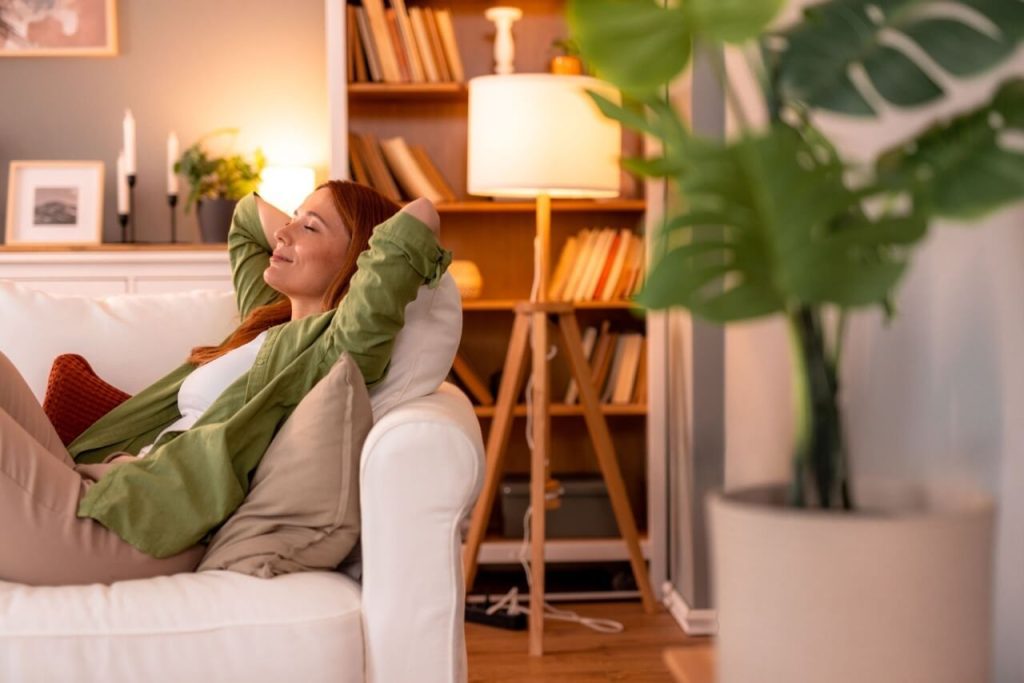
How Controlled Breathing Calms Your Mind and Body
What actually happens in your body during a breathing exercise? In a nutshell, controlled breathing helps:
| Effect | How It Helps |
|---|---|
| Lowers heart rate | Slows the racing feeling in your chest |
| Reduces muscle tension | Eases knots in your neck, back, and shoulders |
| Balances oxygen/CO2 levels | Prevents hyperventilation and helps restore calm |
| Improves focus | Shuts down anxious, looping thoughts and grounds you in the present |
| Reduces stress hormones | Lowers cortisol and adrenaline for a more peaceful mind |
Did you know? Just 2-5 minutes of focused breathing can be as effective as medication for some people, according to research published by Harvard Medical School.
When and Where Should You Use Breathing Exercises?
Wondering if there’s a “best” time or place to practice? The truth is, you can use these strategies almost anywhere:
- During a panic attack: Slow, mindful breaths can break the cycle.
- Before a big meeting or test: Center yourself for better performance.
- While stuck in traffic: Convert frustration into relaxation.
- Before sleep: Slow your mind and set the stage for restful sleep.
- At work or in public: Discreet exercises can be done at your desk or in a restroom.
What’s crucial is consistency. With daily use, your body begins to ‘remember’ the relaxation response, making future anxiety easier to manage.
The 4-7-8 Breathing Technique
Let’s start with a classic, recommended by leading therapists and doctors.
How to do it:Exhale fully through your mouth, letting out a sigh.Close your mouth and inhale quietly through your nose for 4 counts.Hold your breath for 7 counts.Exhale slowly and audibly through your mouth for 8 counts.Repeat this cycle up to four times.
Why it works:
The extended exhale slows your heart rate, while the hold creates a natural pause – helping you reset, both physically and mentally. Use the 4-7-8 method any time you feel nerves creeping in.
“This breathing technique is especially helpful before bed or whenever you feel overwhelmed.” – Dr. Andrew Weil
Box Breathing (Four-Square Breathing)
Ever see athletes pause and close their eyes before a big game? Odds are, they’re box breathing.
This method’s structure gives your mind focus – perfect for anxious over-thinkers.
Instructions:
- Inhale through your nose for 4 counts.
- Hold the breath for a slow 4-count.
- Exhale for 4 counts.
- Hold again for 4 counts.
- Repeat for several rounds.
Pro Tip:
Visualize drawing the four sides of a box with your breath to help anchor your attention.
| Step | Seconds |
|---|---|
| Inhale | 4 |
| Hold | 4 |
| Exhale | 4 |
| Hold | 4 |
Try box breathing during stressful work calls or presentations. The regular rhythm quickly calms jangled nerves.
Diaphragmatic Breathing (Belly Breathing)
Most of us breathe shallowly into our chest, especially when anxious. Belly breathing retrains the body to draw big, calming breaths.
How to practice:
- Sit or lie down, placing one hand on your chest and another on your belly.
- Slowly inhale through your nose, letting your stomach rise (your chest shouldn’t move much).
- Exhale through your mouth, feeling your belly fall.
- Repeat for 3–5 minutes.
In what moments does this help most?
Any time you catch yourself breathing rapidly, gently shift into belly breaths. It’s especially useful for chronic worriers or before high-stress situations.
“Diaphragmatic breathing activates the vagus nerve, resulting in immediate relaxation.” – Cleveland Clinic
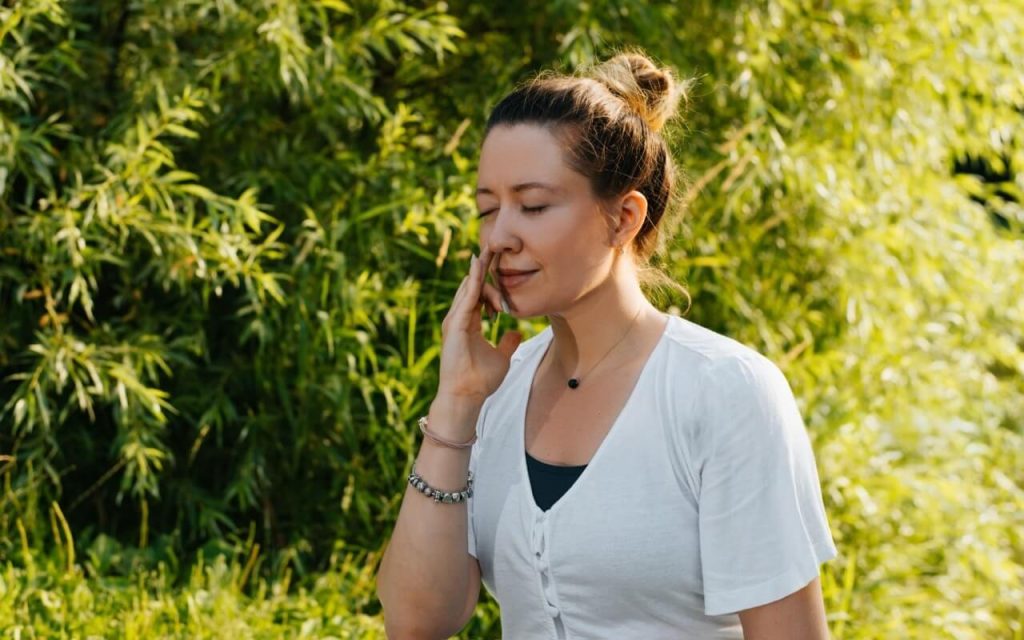
Alternate Nostril Breathing (Nadi Shodhana)
Rooted in ancient yogic practice, this method balances your nervous system and brings clarity fast.
How to:
- Sit comfortably, spine straight.
- Close your right nostril with your thumb; inhale slowly through the left nostril.
- At the top of your inhale, close the left nostril with your finger, release the right nostril, and exhale through the right.
- Inhale through your right nostril, close it, release the left, and exhale.
- Continue alternating for 1–2 minutes.
When to use:
This is great before social situations, exams, or when you need to regain composure.
A Simple 2-Minute Grounding Breath for Emergencies
If you need a calming technique you can remember anywhere, try this:Breathe in deeply and slowly through your nose, counting to four.Hold for a count of two.
- Exhale gently through your mouth for six.
As you breathe, silently think “in”… “hold”… “out.”Repeat for about two minutes.
This creates immediate relief – even in busy settings.
Making Breathing Exercises a Habit
How can you make sure breathing practices actually stick? Here are some tips:
- Pair with existing habits: Try box breathing after brushing your teeth or before meals.
- Set reminders: Use smartphone alarms or sticky notes.
- Track progress: Log when and how you feel before/after each session to notice patterns.
- Join a community: Apps and online groups can help you stay accountable.
Over time, your response to stress becomes less automatic and more intentional.
Frequently Asked Questions about Breathing Exercises for Anxiety
How fast do breathing techniques for anxiety work?
Most people feel calmer within a few minutes – sometimes in just 30 seconds. The key is focusing on your breath and being consistent.
Can you do breathing exercises anywhere?
Yes! These exercises can be performed sitting, standing, or lying down – at your desk, in your car, or at home.
Do breathing exercises replace anxiety medication?
Not always. While many people benefit greatly, always follow medical advice and use breathing as a complementary support.
Are breathing techniques safe for everyone?
In general, yes. If you have respiratory conditions like asthma or COPD, check with your doctor.
How often should I practice to see results?
Aim for a few minutes daily at first. The more often you practice, the more natural and effective the habit will become.
Troubleshooting: Common Mistakes and How to Fix Them
Struggling to see results? It happens. Here are some common obstacles and solutions:
| Problem | Solution |
|---|---|
| Can’t focus / mind wanders | Count your breaths or follow a guided video |
| Breathing feels forced | Slow down, relax jaw and shoulders |
| Feeling light-headed | Take shorter breaths, don’t overdo holds |
| Forgetting to practice | Attach breathwork to daily routines |
Tools & Resources to Support Your Practice
Looking to get more from your routine? Explore these free and paid resources:
- Apps: Calm, Headspace, Insight Timer, Breathwrk
- Guided Videos: YouTube channels like “Therapy in a Nutshell”
- Online Groups: Reddit’s r/anxiety, Facebook anxiety communities
- Scientific links: Mayo Clinic on anxiety and Harvard Health Breathing Research
- Podcasts: “The Anxiety Coaches Podcast,” “Ten Percent Happier”
Conclusion: Your Breath Is Your Superpower
In the heat of anxiety, your breath is always there – a built-in tool to ground your mind and body. Breathing exercises for anxiety don’t require equipment, special skills, or even privacy. Just a little dedication and a few deep breaths can shift everything.
Are you ready to take back your calm, anywhere and anytime? Try one breathing exercise right now and see how you feel. If you found this guide valuable, share your experience in the comments – your journey can empower someone else!
References:
