



Are you feeling overwhelmed? You’re not alone. According to the American Psychological Association, 77% of Americans experience stress that influences their physical health, and 73% struggle with stress’s impact on their mental health. In a fast-paced, always-on world, having simple and effective stress relief techniques in your back pocket isn’t just helpful – it’s essential.
This guide delivers practical, science-backed methods to manage stress on the go. Whether you’re in the office, at home, or stuck in traffic, these tips are designed for real life. Let’s dive in and help you reclaim your peace of mind – starting right now.
What Are “Anywhere, Anytime” Stress Relief Techniques?
Before we get to the techniques themselves, let’s answer an important question: What exactly are “anywhere, anytime” stress relief techniques? Simply put, these are strategies that require minimal or no equipment, can be done in under five minutes, and work whether you’re at work, at home, or on the move. Their goal? To give your mind and body fast relief – so you feel less frazzled and more in control.
Why Stress Relief Matters
Why focus on managing stress in the moment? Chronic stress can lead to headaches, sleep problems, anxiety disorders, depression, and even chronic illnesses like hypertension or heart disease. Quick stress relief techniques act as a healthy “reset button,” reducing your body’s cortisol levels and helping you respond to life’s challenges with greater calm and clarity.
1. Deep Breathing: The Foundation of Instant Calm
Deep breathing is a classic for a reason. Just a minute or two can lower your heart rate and blood pressure, signaling your body’s relaxation response.
How to Try It:
- Inhale slowly through your nose for a count of four.
- Hold your breath for four.
- Exhale gently through pursed lips for six.
- Repeat three to five times.
Pro Tip: Try box breathing – inhale, hold, exhale, hold, each for four counts – to naturally ease anxiety.
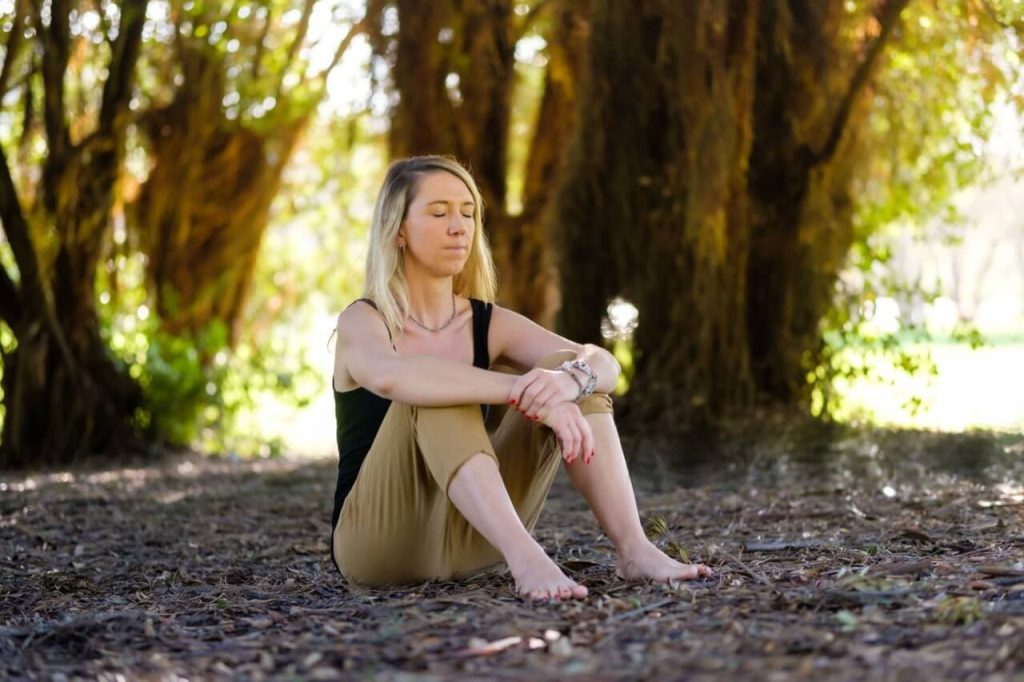
2. Grounding with the 5-4-3-2-1 Technique
Ever feel your thoughts racing out of control? Grounding can bring you back. This mindfulness exercise reconnects you with the present, reducing anxiety and tension.
Here’s how:
- Name 5 things you can see.
- Name 4 things you can feel (touch).
- Name 3 things you can hear.
- Name 2 things you can smell.
- Name 1 thing you can taste.
Why it works: Engaging your senses interrupts stress loops and grounds your mind in the here and now.
3. Progressive Muscle Relaxation
You don’t need a yoga mat for this technique! Tighten and relax groups of muscles, working from your toes up to your shoulders and face.
Quick steps:
- Squeeze a muscle group (like your fists) for five seconds.
- Release and notice the difference.
- Repeat, moving upward: forearms, shoulders, neck, face.
Muscle relaxation not only reduces tension but also heightens body awareness, which can further calm your mind.
4. Visualization: Your Personal Stress “Escape”
Imagine a beach, a forest, or anywhere else you feel safe. Visualization taps into your mind’s creativity to bring real relaxation.
Try this:
- Close your eyes.
- Picture a calming scene, using all five senses – what do you see, hear, smell, touch, and taste?
- Stay there for 60 seconds.
Visualization is proven to reduce muscle tension and boost mood, even if only for a minute.
5. Quick Physical Movement
Movement acts like a pressure release valve. It helps process built-up adrenaline and clears mental cobwebs.
Easy moves:
- March in place for one minute.
- Do 10 wall push-ups.
- Stand and reach toward the sky, then toes, five times.
Even short bursts of exercise release endorphins – your body’s natural stress-fighting chemicals.
6. Mindful Mini-Meditation
Yes, meditation CAN be portable. Even one minute can make a difference.
Here’s how:
- Sit or stand comfortably.
- Focus on your breath.
- If your mind drifts, gently guide it back.
Apps like Insight Timer or Calm have 1 – minute meditations perfect for busy lives.

7. The Power of Positive Self-Talk
Stressful moment? Challenge negative thoughts with affirming statements.
Examples:
- “I am doing my best.”
- “This feeling is temporary.”
- “I can handle this.”
Changing your inner dialogue shifts your mindset, making stressors feel manageable instead of overwhelming.
8. Cold Water Splash
This one’s simple but surprisingly effective. Cool water on your face triggers the “dive reflex,” which slows your heart rate and signals relaxation.
In a pinch:
- Wash your hands or face with cold water.
- If that’s not possible, rub a cold object (like a water bottle) on your wrists or neck.
You’ll be amazed how quickly your body responds!
9. Gratitude Reset
Stress narrows your focus to problems. Interrupt this cycle by intentionally listing what’s going right.
Quick reset:
- Name three things you appreciate in this moment.
- Jot them in your phone or say them aloud.
Cultivating gratitude boosts mood and increases resilience to stress, according to multiple studies.
10. Sensory Soothers: Aromatherapy and Beyond
Your senses are powerful tools for stress relief:
- Carry calming scents: Lavender or citrus oils can reduce anxiety. Dab a little on your wrist or sniff from a cotton ball.
- Listen to nature sounds: Running water, ocean waves, or birdsong – there’s a playlist for everyone.
- Keep a “comfort object”: A smooth stone, small plush, or stress ball in your pocket brings subtle calm anywhere.
Research shows certain scents and sounds can quickly decrease cortisol and induce calm, even in high-pressure settings.
Quick Comparison Table: Stress Relief Techniques
| Technique | Best For | Time Needed | Extra Tools |
|---|---|---|---|
| Deep Breathing | Anxiety, tension | 1-3 min | No |
| 5-4-3-2-1 Grounding | Panic, racing thoughts | 1 min | No |
| Progressive Muscle Relaxation | Physical tension | 2-4 min | No |
| Visualization | General stress | 1-2 min | No |
| Quick Movement | Restlessness | 1-2 min | No |
| Mini-Meditation | Focus, clarity | 1-3 min | No (Apps available) |
| Positive Self-Talk | Negative mindset | <1 min | No |
| Cold Water Splash | Acute stress | 1 min | Water |
| Gratitude Reset | Mood boost | <1 min | Optional (Journal/phone) |
| Sensory Soothers | Calming fast | 1-2 min | Optional (Oil, music, stress ball) |
Frequently Asked: “How Do I Know Which Technique Works Best for Me?”
Great question! The answer is personal:
Start with your favorites. Notice which techniques seem to calm you fastest, and which you’re most likely to use. Try pairing two together (like deep breathing + gratitude) for an even stronger effect. What calms one person might not work for another, so experiment!
Do Stress Relief Techniques Really Work?
Ready for some science? Absolutely. Studies show that even brief interventions – like a single minute of deep breathing or grounding – can measurably reduce heart rate, lower blood pressure, and improve mood. According to the Mayo Clinic, regular use of simple stress-relief practices can enhance focus, productivity, and happiness – without any special equipment or training.
Make Stress Relief a Habit: Tips for Long-Term Success
- Keep it simple. The best technique is the one you’ll actually use.
- Stack new habits with old ones (i.e., deep breathing before checking your phone).
- Practice daily, even when not stressed. This rewires your brain for calm.
- Celebrate progress! Small wins add up.
Conclusion: Your Calm Is Closer Than You Think
Stress might be a fact of modern life, but suffering isn’t. Now that you know 10 quick stress relief techniques you can use anywhere, anytime, you have real power over your emotional state. Choose just one to try today and watch the difference unfold.
If this article helped bring a little calm into your life, comment below and share it with someone who needs a reminder: you are stronger than your stress!
References:
