


Did you know that over 40 million adults in the U.S. report feeling anxious, according to the Anxiety & Depression Association of America? If you ever feel your heart racing before a big meeting, or your thoughts spiraling late at night, you’re definitely not alone. But here’s a powerful fact: simple, science-backed deep breathing exercises for anxiety can quickly turn chaos into calm – often in just a few minutes.
Why does this work? Because slow, intentional breathing signals your nervous system to relax, lowers cortisol levels, and restores clarity – almost like hitting the mental reset button. In this guide, I’ll walk you through the best techniques, answer common questions, and give you actionable steps to transform your stress response. By the end, you’ll have your own toolkit to soothe panic, regain control, and breathe easier – literally and figuratively.
Let’s dive in!
What Is Anxiety and Why Does It Affect Your Breathing?
Anxiety is more than just worry. It’s your body’s way of reacting to stress, preparing you to face – or flee from – threats. This primal “fight or flight” response comes with physical changes, the most immediate being rapid, shallow breathing. Why?
- Your body wants to bring in more oxygen for potential action.
- Quick breathing can cause dizziness, chest tightness, and tingling- the very symptoms that make anxiety even scarier!
When anxiety tips over into panic, your breathing rate can double or triple, leaving you lightheaded or even more anxious. The key to stopping this spiral is to consciously slow and deepen your breath. You send a clear message to your brain: “Hey, it’s safe here. No need to panic.”
Table: How Anxiety Alters Your Body
| Symptom | Cause | How Deep Breathing Helps |
|---|---|---|
| Rapid heartbeat | Adrenaline spike | Slows pulse via vagus nerve |
| Dizziness | Low CO2 from fast breathing | Restores CO2 levels |
| Muscle tension | Fight or flight muscle priming | Relaxes muscles |
| Racing thoughts | Survival mode, focused on danger | Promotes logical thinking |
Deep breathing isn’t just relaxing – it’s biological self-defense!
How Deep Breathing Exercises Calm Anxiety Fast
Ever wonder why everyone from Navy SEALs to yoga instructors swear by deep breathing drills? Here’s what research shows:
- Stimulates the Vagus Nerve: Deep breathing sends a message through the vagus nerve, dialing down your stress response and boosting calm.
- Balances Oxygen and CO2: You restore healthy blood gas levels, ending “overbreathing” side effects like tingling and dizzy spells.
- Focuses Your Thoughts: Counting or focusing on your breath yanks you out of worry and into the present moment.
“The time to relax is when you don’t have time for it.”
Sydney J. Harris
Let’s answer the most common question: which deep breathing method is best when a wave of anxiety strikes?
1. Box Breathing (Square Breathing)
This simple but effective method has been featured everywhere from therapy offices to elite military training. It’s called “box breathing” because each step lasts the same amount of time, creating a mental box.
How to Do Box Breathing
- Breathe in slowly through your nose for 4 seconds.
- Hold your breath for 4 seconds.
- Exhale gently through your mouth for 4 seconds.
- Pause (don’t breathe) for 4 seconds.
Repeat this cycle at least four times. You’ll likely feel your chest loosen and your thoughts slow by the second cycle.
Why it works:
The structured pattern distracts your busy mind, while the breath holds increase CO2 slightly, which promotes calm.
Pro tip: Visualize drawing a square in your mind as you breathe – a relaxing, grounding focal point.
2. 4-7-8 Breathing
Popularized by Dr. Andrew Weil, this technique creates a deep sense of relaxation and can help you sleep. It’s one of the most effective deep breathing exercises for anxiety spikes or insomnia.
How to Practice 4-7-8 Breathing
- Inhale through your nose for 4 seconds.
- Hold your breath for 7 seconds.
- Exhale slowly through your mouth for 8 seconds.
Repeat for 4 consecutive cycles. If you feel lightheaded, it’s okay to shorten the holds – but keep the exhale longer than the inhale.
Why it works:
Long exhalation activates the body’s relaxation response. The focus on counting switches your mind from fear to mindfulness.
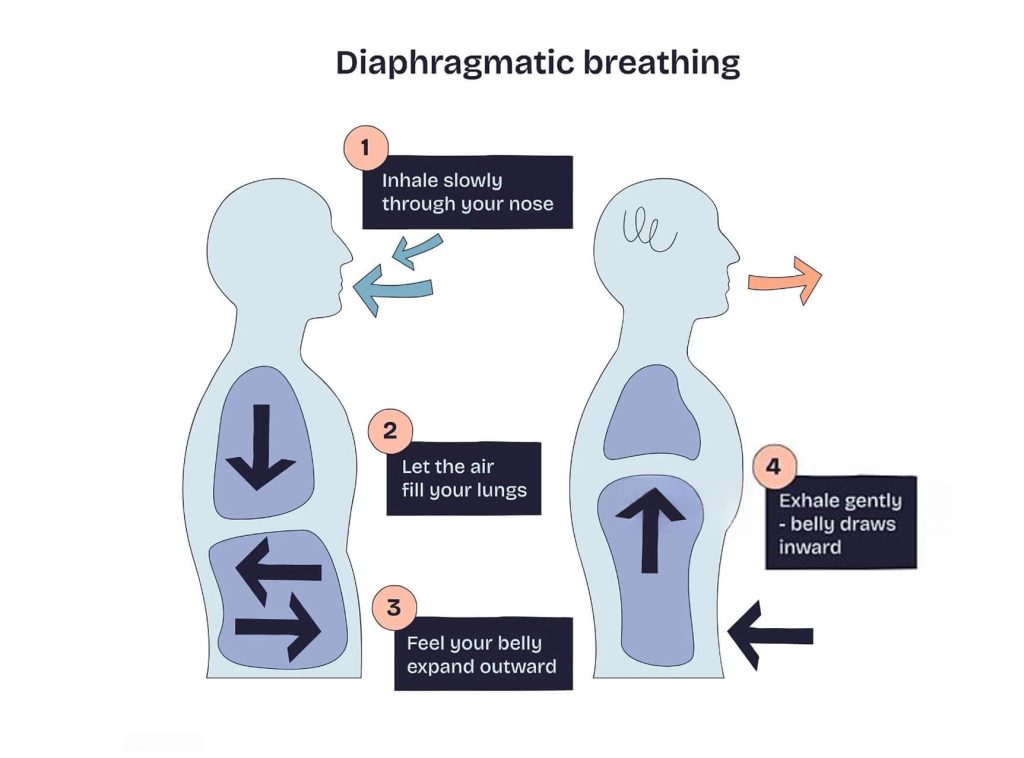
3. Diaphragmatic (Belly) Breathing
Most of us breathe “up high” in our chest, which keeps us in a stressed state. Diaphragmatic breathing is about sending each breath deep into your belly, engaging your diaphragm for fuller, calmer breaths.
How to Practice Diaphragmatic Breathing
- Sit or lie comfortably. Put one hand on your chest and one on your belly.
- Inhale slowly through your nose, letting your belly hand rise (the chest stays mostly still).
- Exhale through pursed lips – the belly falls.
Try this for 3-5 minutes.
With practice, belly breathing will become your natural, anxiety-fighting state.
Table: Differences Between Chest and Diaphragm Breathing
| Chest Breathing | Diaphragm (Belly) Breathing |
|---|---|
| Rapid, shallow | Slow, deep |
| Tenses neck/shoulders | Relaxes whole body |
| Linked to anxiety | Linked to calm & clarity |
| Less oxygenated blood | More oxygenated, refreshed |
4. Alternate Nostril Breathing (Nadi Shodhana)
Straight out of ancient yoga, this technique balances both sides of your nervous system, calming your mind.
How to Practice Alternate Nostril Breathing
- Sit upright and use your right thumb to close your right nostril.
- Inhale through your left nostril.
- Close the left nostril (with your ring finger), open the right, and exhale through the right.
- Inhale through the right nostril, switch, exhale left.
Repeat for 2-5 minutes. You may notice your mind feels clearer, your face softer, and your anxiety faded.
5. Resonant Breathing (Coherent Breathing)
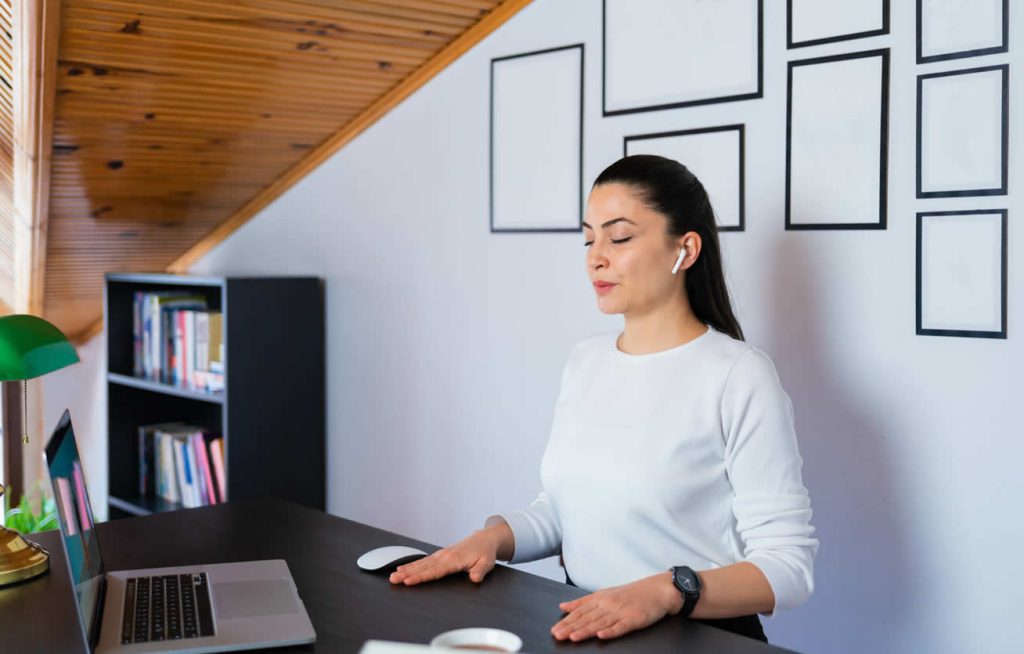
Want an easy-to-remember technique that works nearly anywhere? Coherent breathing is simply slowing your breath to 5 full breaths per minute (in for 6 seconds, out for 6 seconds). This has been shown in studies to maximize heart-brain coherence and calm.
How to practice:
- Inhale for 6 seconds.
- Exhale for 6 seconds.
- Repeat for 5 minutes.
Use a timer or app for guidance. This is great before bed or as a break at work.
6. The Sigh Breath
You know that big sigh you take when you’re relieved? Turns out, sighing intentionally is a powerful way to blow off nervous energy.
How to Practice Sigh Breathing
Take a long, gentle inhale through your nose.Let out a big, slow, audible sigh through your mouth. Let shoulders drop.Repeat 3-5 times, allowing each sigh to be natural and relieving.
Why it works:
Sighing increases CO2, which signals the brain to slow down stress responses.
7. Progressive Muscle Relaxation + Breathing
Combine deep breathing with tensing and releasing muscle groups for a powerful, double-whammy of stress relief.Inhale deeply and tense one muscle group (like fists).Hold for several seconds.Exhale, releasing the tension completely.Move progressively from toes to head.
This technique is a go-to favorite in therapy for anxiety, helping you let go both physically and mentally.
When Should You Use Deep Breathing Exercises for Anxiety?
Wondering when these methods are most helpful? The answer: almost anytime!
- Before stressful events: Presentations, interviews, or difficult conversations.
- At bedtime: When racing thoughts stop you from sleeping.
- During panic attacks: To slow down spiraling symptoms.
- As daily prevention: Even 5 minutes a day can “train” your nervous system to stay calm.
List: Situations to Insert Deep Breathing Into Your Day
- Morning routines: Start with calm focus
- Coffee breaks: Relieve mid-day tension
- After arguments: Regain control
- Commutes: Transform traffic rage to relaxation
- Social situations: Soften anxious nerves
Breathing gives you instant access to the “off switch” for anxiety – no special equipment required, just your body and a few quiet moments.
Tips to Make Deep Breathing a Daily Habit
It’s easy to forget deep breathing when you’re stressed. To make it automatic, anchor the habit to existing routines:
- Pair with brushing your teeth or waiting for your coffee.
- Set reminders on your phone.
- Use breathing apps (e.g. Calm, Insight Timer).
- Write reminder notes: “Inhale, exhale, reset.”
Let’s look at an example of how fast anxiety can decline with a simple routine.
Table: Sample Deep Breathing Routine for Fast Anxiety Relief
| Time | Exercise | What to Notice |
|---|---|---|
| 1 min | Box breathing | Shoulders drop, mind slows |
| 2 min | Diaphragmatic breathing | Warmer hands, relaxed jaw |
| 2 min | Sigh breathing | Tension leaves muscles |
| 5 min | Resonant breathing | Overall calm, mental focus |
Try this 10-minute routine each morning. Notice which parts feel best, and customize!
Proven Benefits of Deep Breathing for Anxiety
Modern science backs what ancient wisdom taught: conscious breathing doesn’t just feel good – it transforms your mind and body. Here’s a quick breakdown:
- Less anxiety & panic: Breathing exercises reduce frequency and severity of attacks.[^1]
- Lower blood pressure: Chronic stress melts away.
- Sharper focus: Increased oxygen supports mental clarity.
- Better mood: Stimulating the vagus nerve boosts feelings of safety and happiness.
According to the Mayo Clinic, integrating deep breathing into your routine can also improve sleep, digestion, and even immune health.
Questions People Ask About Deep Breathing and Anxiety
How quickly do breathing exercises work for anxiety?
For many, effects kick in after just 1-2 minutes. Consistent practice leads to bigger, longer-lasting results.
Can I use deep breathing during a panic attack?
Yes – start gently and focus on lengthening your exhalations. Even two slower breaths can begin to shift your state.
What if I feel lightheaded while breathing?
This usually means you’re over-breathing. Slow down, don’t force big inhales, and let your out-breath be long and easy.
Does deep breathing always stop anxious thoughts?
Breathing is a tool – it may not erase every worry, but it makes thoughts less overwhelming and gives you the space to respond.
Building Your Own Routine: Customizing for Your Needs
Not every method fits every person, so experiment! If you dislike counting, focus on belly movement. If you need a “reset,” try sigh breaths or progressive muscle relaxation. The core goal is this: slow, intentional, and present breathing.
- Track your progress in a journal.
- Celebrate small “wins” – like handling a tough meeting calmly.
- Share your favorite exercises with friends or loved ones.
Conclusion: Your Calm Is Just One Breath Away
You don’t need fancy gadgets or long hours to turn anxiety into empowerment. Deep breathing exercises for anxiety are free, fast, and perfectly tailored to real life. Start where you are – even a few mindful breaths can create a visible shift. Over time, these moments of calm add up, reshaping your days from the inside out.
Remember, every anxious thought is an invitation to pause, breathe, and reclaim your peace. Are you ready to try? If this article helped you, share your go-to breathing technique in the comments below. Your experience could inspire someone else to breathe just a bit easier today.
References:
